
What You Should Know About Bard PowerPort Complications

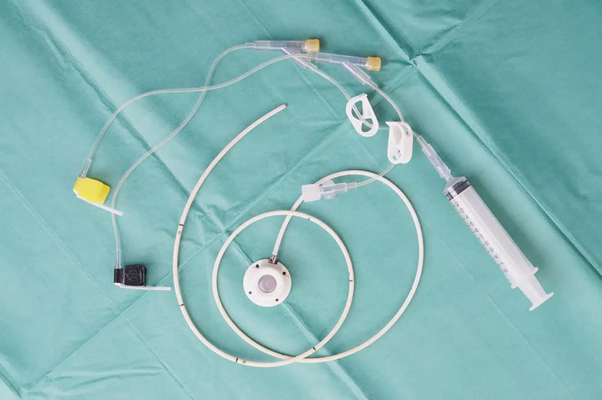
A Bard PowerPort is a small medical device inserted under the skin to administer medication directly into a large vein. These are usually common in cancer treatments, long-term medications, or the need for frequent blood draws.
This implantable device is relied upon by thousands of patients daily. However, reports have associated some of the models with serious health complications.
Many people who have been injured by these device failures are now part of a defective Bard PowerPort lawsuit. These legal claims focus on injuries that are connected to design flaws or material breakdown inside the body.
Any Reported Prior Complications?
Patients and healthcare providers have reported several types of complications related to Bard PowerPort devices. Most problems occur when the catheter or the thin tube attached to the port cracks, moves, or causes irritation in the surrounding tissue.
Even small changes in the catheter’s shape or position can lead to major medical concerns. Commonly reported issues include:
- Fractures: When portions of the catheter fracture or break off, they may consequently migrate along with the flow of blood and eventually block or damage the heart or lungs.
- Infections: Catheter-related bloodstream infections can result in serious illnesses and, often, require hospitalization. PowerPorts have been associated with such infections when bacteria enter the bloodstream through the device.
- Device Migration: The port or catheter migrates from its original position. As it shifts, this can cause pain and impaired function of the device.
- Blood clots: Vein irritation from the catheter can cause clots of blood to form. Clots may obstruct blood flow, eventually causing breathing problems.
- Pain and Swelling: Some patients report continued pain around the port site that does not get better over time.
These complications vary in severity, but many require medical treatment to prevent long-term harm.
Symptoms to Look Out For?
Understanding the warning signs can help patients identify problems early. Many complications begin with mild discomfort before developing into more serious issues. Possible symptoms can be:
- Chest pain or pressure
- Swelling or redness near the port
- Fever or chills
- Shortness of breath
- Rapid or irregular heartbeat
- Pain in the shoulder, arm, or neck
Patients experiencing these symptoms often need medical testing to determine the cause.
Diagnosis Process
Various imaging tools are used by doctors to verify fractures, migration, or embolization. An X-ray can show if a catheter has fractured or migrated. CT scans help identify catheter fragments that may have migrated through the bloodstream.
Treatment Options
Treatment depends on the type and severity of the complication. Antibiotics may be used for infections. Blood thinners help treat or prevent clots.
Surgical removal may be necessary if the device has fractured, and replacement of the port may be needed if it can no longer work safely. Some patients may need long-term monitoring to ensure no fragments remain inside the body.
Final Thoughts
- Bard PowerPort devices have been linked to fractures, infections, blood clots, and device migration.
- Many injured patients have joined a defective Bard PowerPort lawsuit.
- Symptoms such as chest pain, swelling, fever, or breathing problems may indicate a device failure.
- Treatment may involve antibiotics, blood thinners, or surgical removal of the port.