What to Consider for Senior Health and Safety

A kitchen floor can look dry, until socks slide on a thin film near the sink. A front step feels fine at noon, then turns slick after evening humidity arrives. Small hazards like these cause the biggest disruptions, because they show up during ordinary routines. For many older adults, the goal is not perfection, it is staying steady and confident.
Safety also depends on what support looks like on a regular Tuesday, not only during crises. That is why plans often include check ins, clear medication habits, and a way to call for help. Some families also look at free medical alert systems for seniors as one part of a wider support plan. The point is simple, response time matters when someone is alone.
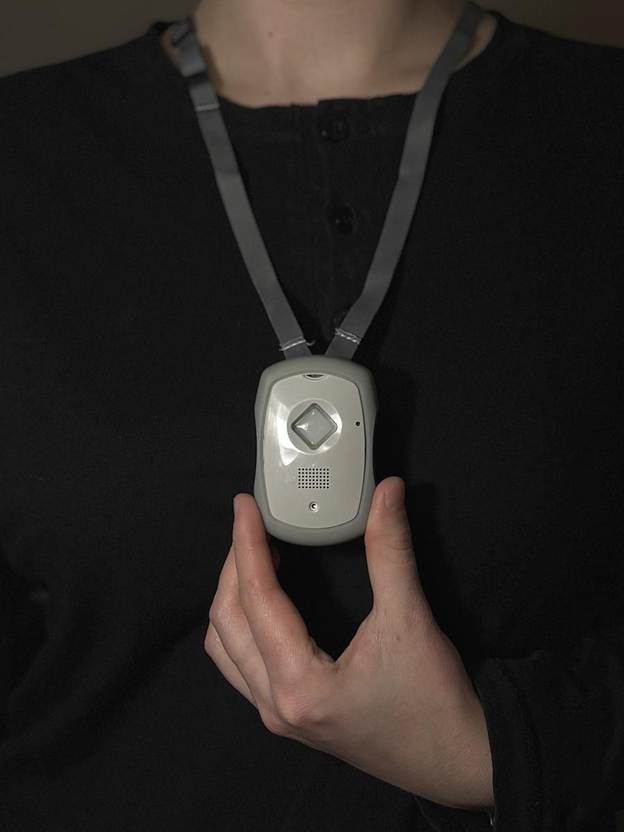
Photo by Life Assure
Start With The Risks That Cause The Most Harm
Falls are one of the biggest reasons older adults start feeling less sure at home. It usually begins with everyday stuff, like a rug that shifts slightly or dim lighting. Even a sleepy rush to the bathroom can turn a normal night into a bad one. Strength helps, but calmer routines and safer spaces tend to help even more.
It can help to see the home the way your loved one experiences it. When you move at their pace, little friction points show up more clearly. A cord across the path, a tight turn around a chair, or a tiny lip between rooms matters. Shadows in hallways and bathrooms can also make the floor feel unpredictable.
Health factors can quietly stack the odds, so they deserve a spot in the same conversation. Blood pressure dips, a new sleep aid, or a balance issue can make someone feel unsteady. Many falls happen after medication changes or during a rough sleep week. A medication review that considers fall risk can be surprisingly useful.
The basics are well documented, and it helps to lean on clear public guidance. The CDC’s fall prevention information focuses on practical steps that reduce risk over time. It also covers factors like vision, strength, and medication side effects in plain terms.
Build A Simple Home Safety Setup That Stays Usable
Home updates work best when they match daily habits and comfort levels. Grab bars help most when they sit where hands naturally reach every time. Non slip mats often matter more than decorative bath items, especially in smaller bathrooms. Small changes done well can lower stress for everyone involved.
The most used routes tend to be where repetition creates risk, especially on busy mornings. That is usually bed to bathroom, kitchen to living room, and front door to car. When these paths feel open and well lit, people move with less hesitation. It also becomes easier for caregivers to notice new wobbles early.
A short checklist can make the work feel shared, rather than dumped on one person. It also helps because small tasks can happen between errands and workdays. Here is a quick list that stays realistic for most households. Each line is meant as a simple prompt, not a perfect standard.
- Brighter bulbs in hallways and stairwells, checked at night for glare and shadows.
- Rugs that stay flat with non slip backing, or removed from busy walkways.
- A steady chair near the entryway for shoes, bags, and a calmer transition inside.
- Emergency contacts on paper and on the phone, kept where they are easy to reach.
- A small flashlight by the bed for outages and late night bathroom trips.
Hands and joints matter too, especially when arthritis makes gripping more painful. Lever style handles can feel easier than round knobs for many people. Chairs with stable arms help with sit to stand movement without strain. These changes often feel small, yet they can reduce daily frustration.
Plan For Medical Needs With A Realistic Daily Routine
Health and safety plans often break down when they ignore how people actually live. If a schedule feels strict, it gets skipped, especially when energy is low. Routines work better when they fit meal times, sleep habits, and usual errands. When routines feel normal, follow through tends to improve.
Medication habits deserve extra care because mix ups are common and embarrassing. One weekly organizer helps most when it stays in one predictable place. Refills also go better when they happen on the same day each week. If vision is an issue, larger print labels can make a real difference.
It also helps to think about the moments when something changes quickly and unexpectedly. Shortness of breath, chest pain, sudden weakness, or a bad fall can happen without warning. A simple response plan can lower fear, because decisions feel less rushed. If a care team is involved, shared definitions of urgent situations reduce confusion.
Health equity matters here because access to follow ups and support is uneven across communities. Some families have transport help and paid caregivers, while others rely on neighbors. Planning tends to work better when it reflects dependable support, not ideal support.
Make Communication And Response Feel Easy
Safety improves when communication feels easy and shame free. Many seniors avoid asking for help because they fear losing independence. It often goes better when everyone agrees on what “help” means in practice. That agreement reduces hesitation in the moment that matters.
A simple check in rhythm can feel supportive without feeling controlling. Some families use a short morning call, a text after lunch, and a quick evening chat. If hearing is limited, one consistent channel can reduce missed messages. Familiar patterns also make it easier to notice changes in mood or speech.
Response tools matter too, especially when a person is alone outside the home. GPS enabled devices can help caregivers locate someone who feels disoriented or stuck. Optional fall detection can help in some cases, although it varies by device and situation. The National Institute on Aging has practical guidance that supports this kind of planning.
When clinicians, community workers, and caregivers share language, handoffs become cleaner. Shared terms for risk, urgency, and follow up reduce misunderstandings across busy schedules. Training also helps people feel more confident during stressful moments.
The most useful takeaway is treating senior safety like a short system you can maintain. Small fixes that stick tend to matter more than big plans that never get used. A quick review after health changes, medication updates, or new mobility limits keeps things current. Over time, that steady approach supports independence without adding unnecessary pressure.