
The Role of Videos in Mental Health Education

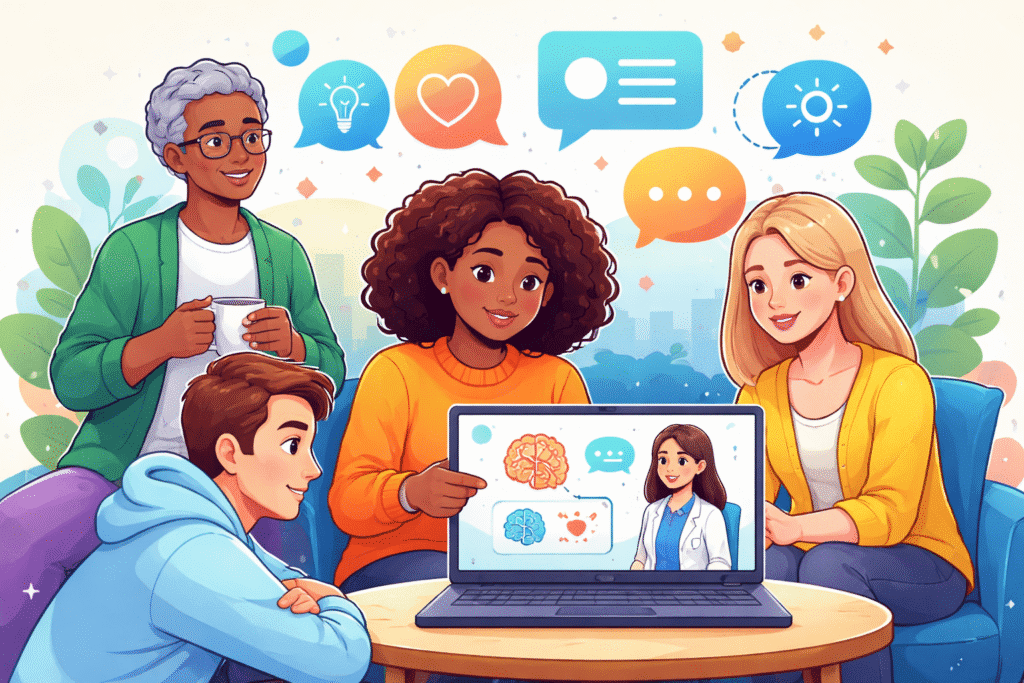
Mental health education is essential for increasing awareness, reducing stigma, and encouraging timely support. However, complex psychological concepts and medical terminology can be difficult to understand through text alone. Videos have emerged as an effective educational medium by combining visuals, narration, and real-life context to explain mental health topics clearly. This approach helps learners better grasp subjects such as anxiety, depression, stress management, and emotional well-being in a more relatable and engaging way.
Video-based learning also improves accessibility and engagement in mental health education. Through explainer videos, expert interviews, and storytelling formats, information becomes easier to absorb and retain across different age groups and learning styles. With the growth of digital platforms and advanced video creation tools, educators and mental health organizations can now reach wider audiences. As a result, videos are transforming how mental health education is delivered, making it more inclusive, impactful, and learner-focused.
Making Complex Mental Health Concepts Easier to Understand
Mental health concepts such as cognitive behavioral therapy, emotional regulation, and trauma responses can often feel overwhelming when explained through text-heavy resources. Videos simplify these topics by using visual aids, real-life examples, and step-by-step explanations that make information easier to process. Animated explainer videos, diagrams, and scenario-based storytelling help break down complex ideas into manageable insights. This visual approach allows learners to understand how mental health conditions develop, how symptoms appear, and how different treatment methods work in a practical, relatable way.
Videos also support better comprehension by engaging multiple senses, which improves learning retention. When viewers see and hear information simultaneously, they are more likely to remember key concepts and apply them in real-life situations. Educational mental health videos can demonstrate coping strategies, breathing exercises, and therapeutic techniques more effectively than written descriptions alone.
Reducing Stigma Through Visual Storytelling
Stigma remains one of the biggest barriers to mental health education and support. Visual storytelling through videos helps challenge misconceptions by presenting real, human experiences in an authentic and relatable way. Personal stories, interviews, and documentary-style mental health videos allow audiences to see the realities behind conditions such as anxiety, depression, and post-traumatic stress disorder. When viewers connect emotionally with these narratives, mental health issues feel less abstract and more understandable, encouraging empathy and open-mindedness.
Videos also play a powerful role in normalizing conversations around mental health across schools, workplaces, and online communities. By showcasing diverse voices and lived experiences, visual storytelling reinforces the message that mental health challenges are common and treatable. Educational videos that highlight recovery journeys, coping strategies, and professional insights help replace fear with understanding. This approach not only reduces stigma but also motivates individuals to seek help, share their experiences, and engage more openly in mental health education initiatives.
Using AI Video Generators to Scale Mental Health Education
AI-powered tools are transforming how mental health education content is created and distributed. An AI video generator allows educators and organizations to turn simple ideas or prompts into complete educational videos without technical expertise. By automatically generating scripts, visuals, voiceovers, subtitles, and background music, these tools streamline the production process. This makes it easier to consistently create high-quality mental health videos that explain complex topics clearly, helping awareness campaigns scale their efforts while maintaining accuracy and sensitivity in messaging.
Platforms like invideo further support scalability by enabling faster content creation for diverse audiences. Mental health educators can quickly adapt videos for different age groups, languages, or platforms, ensuring wider reach and inclusivity. AI-generated videos also reduce production costs and time, making them ideal for nonprofits, schools, and healthcare organizations with limited resources. As demand for accessible mental health education grows, AI-driven video creation plays a vital role in delivering reliable, engaging content at scale.
Improving Accessibility and Inclusivity in Mental Health Learning
Accessibility is a critical factor in effective mental health education, and videos play a key role in reaching diverse audiences. Video content supports learners with different abilities by offering features such as subtitles, voiceovers, visual demonstrations, and clear pacing. These elements help individuals with reading difficulties, hearing impairments, or cognitive challenges better understand mental health concepts. By presenting information in multiple formats, educational videos ensure that important mental health messages are not limited to text-based resources alone.
Inclusivity in mental health learning also means reaching people across languages, cultures, and geographic locations. Videos can be easily adapted with multilingual subtitles and culturally relevant visuals, making education more relatable and inclusive. Mobile-friendly video platforms further extend access to remote or underserved communities where traditional mental health resources may be limited. As a result, video-based learning creates a more equitable approach to mental health education, ensuring that accurate and supportive information is available to everyone.
Enhancing Engagement and Retention Through Video Content
Video content is highly effective in capturing attention and sustaining learner engagement in mental health education. Unlike lengthy text-based materials, educational videos combine visuals, narration, and real-life context to keep viewers focused. Short-form videos, explainers, and scenario-based content make it easier for learners to absorb sensitive mental health topics without feeling overwhelmed. This engaging format encourages viewers to stay connected with the content, increasing the likelihood that they will complete lessons and revisit important concepts.
Videos also improve knowledge retention by presenting information in a structured and memorable way. When learners see techniques demonstrated, such as relaxation exercises or coping strategies they are more likely to remember and apply them. Repetition through visual cues and clear messaging reinforces understanding over time. As a result, video-based learning supports long-term mental health awareness by helping individuals retain critical information and confidently use it in real-life situations.
Supporting Mental Health Professionals and Educators
Mental health professionals and educators increasingly rely on video-based resources to enhance learning and communication. Educational videos help therapists, counselors, and teachers explain complex topics in a clear and consistent manner, saving time during sessions and training programs. Videos can be used to introduce foundational concepts, demonstrate therapeutic techniques, or reinforce key lessons, allowing professionals to focus more on personalized support. This approach ensures that accurate mental health information is delivered in a structured and easy-to-understand format across different learning environments.
Video content also supports professional training and ongoing education in the mental health field. Workshops, online courses, and certification programs use videos to provide flexible learning opportunities for busy professionals. Educators can update or reuse video materials to stay aligned with evolving mental health practices and research.
Conclusion
Videos have become an essential tool in mental health education by making complex information easier to understand, reducing stigma, and improving accessibility. Through engaging and inclusive formats, video content supports learners, educators, and mental health professionals alike. As digital platforms and AI-driven technologies continue to evolve, videos will play an even greater role in expanding awareness, strengthening understanding, and delivering impactful mental health education to diverse audiences worldwide.