The Risks of Choking in Nursing Homes and How Liability Is Determined

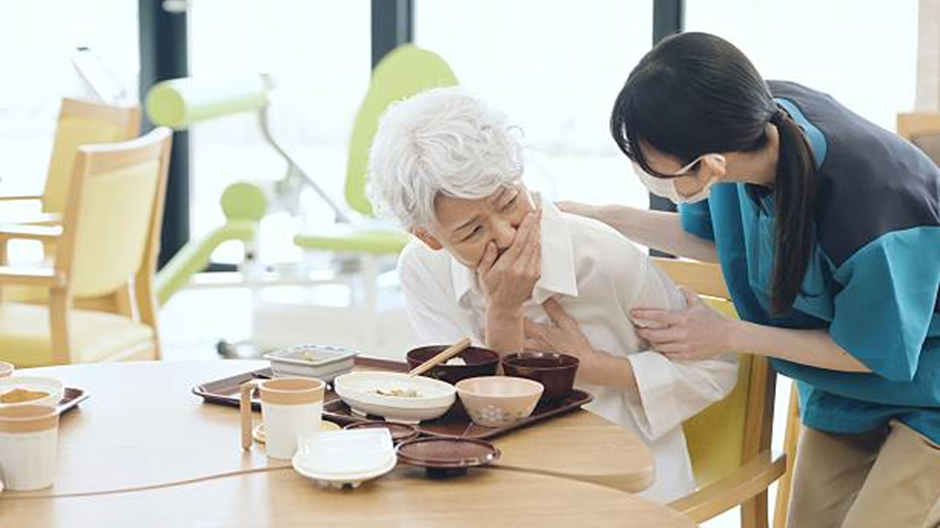
In nursing homes, there are serious risks of choking accidents for residents. Choking is a leading cause of injury and preventable death for the elderly in care facilities. Families trust facilities to keep their loved ones safe during meals and beyond. When this trust is broken, it raises critical questions of legal responsibility. In this blog post, we will examine the primary risks of choking accidents in nursing homes and explain how liability is determined for such preventable harm.
Factors That Increase the Risk of Choking in Care Facilities
There are several key issues that directly elevate the danger, so knowing and understanding these factors is the first step toward prevention.
Pre-existing Medical Conditions: There are many conditions, like Parkinson’s or stroke, that can weaken throat muscles. This makes swallowing difficult and unsafe without proper care.
Improper Food Preparation and Serving: This is a major part of the risks of choking accidents. That’s why the staff must follow doctor-ordered diets, like soft or pureed foods, exactly, because serving the wrong texture can block the airway.
Inadequate Staff Supervision During Meals: Residents needing help must have a staff member present. Eating alone when assistance is required is a common and serious hazard.

Poor Staff Training: The staff must be trained to spot choking risks and perform the Heimlich maneuver on seniors. Without this training, they cannot respond correctly in a crisis.
Rushed or Distracted Feeding: Feeding a resident too quickly or while they are distracted increases risk, so the meals must be calm, focused, and paced for safety.
Who Is Liable When a Nursing Home Resident Chokes?
If there is a choking accident or incident, the nursing home may be held liable. This is because the facility has a legal “duty of care” to keep residents reasonably safe. Liability is determined by proving the staff failed in this duty through negligence.
This means they did not act with the proper skill and caution a reasonable professional would. Their specific actions, or failures to act, directly caused the harm. In choking cases, this negligence often comes from the preventable risks previously discussed.
Proving Negligence in a Choking Incident
The liability in such cases becomes clear by examining specific failures, and proving negligence involves showing one or more of these key failures caused the harm.
- The facility did not properly check the resident’s swallowing ability, where they failed to update care plans or tell all staff about necessary diet changes.
- The staff served food that was not the correct softness or texture for the resident. The resident was left to eat alone when they needed hands-on help.
- The caregivers were not taught how to feed residents safely and lacked proper training to perform the correct first aid for an elderly person who is choking.
- There was no clear plan for a choking emergency, and the staff did not act quickly or correctly when the incident happened, worsening the outcome.
What Evidence Is Crucial for a Choking Case?
You must collect the correct and specific evidence. Important documents are the resident’s medical records and their prescribed diet. The official care plan and feeding charts are crucial. Make sure to get the facility’s incident report and any staff notes regarding the event. Gather staffing schedules and training records for that day.
The witness statements, such as those from other residents or visitors, are also significant. This evidence is important to show what the facility was aware of and how they did not adhere to proper care standards, which is vital for a case.
Conclusion
It can be very risky and frightening when a loved one chokes in a nursing home. However, these incidents are often preventable with proper care. Knowing the risks and the legal steps allows families to demand accountability. Your attention and insight are essential for protecting at-risk residents and ensuring they obtain the safe, dignified care they require.