
The Growing Need for Advanced Nursing Expertise in Medicolegal Cases

Have you ever watched a courtroom drama and wondered who gathers the evidence when a crime leaves behind not just bruises, but broken lives? It’s easy to imagine lawyers arguing, detectives chasing leads, and maybe a forensic tech in gloves handling lab work. What’s often missing from the spotlight is the healthcare professional who not only treats the injuries but also documents them in ways that can stand up in court. And more often now, that professional is a nurse with specialized training.
Across hospitals, correctional facilities, and even crime scenes, a quiet shift is taking place. Nurses aren’t just caregivers anymore. Many are also becoming key players in the intersection of medicine and justice. As society reckons with how it responds to violence, trauma, and vulnerable populations, these roles are not just helpful—they’re essential.
In this blog, we will share why the demand for nurses trained in forensic care is rising, what this shift means for the future of healthcare, and how specialized training is reshaping real-world response.
Healthcare Is Changing, and So Are the Stakes
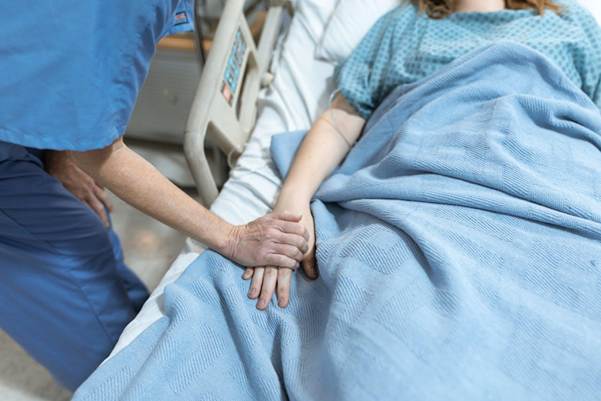
The nature of healthcare has expanded in recent years. It’s no longer just about treating illness. Providers are expected to recognize signs of abuse, understand the chain of custody, and support legal systems while prioritizing patient well-being. Nurses are often the first point of contact when someone experiences assault, domestic violence, or neglect. That frontline access means they hold a unique role—not only in healing, but in gathering critical evidence and protecting patients’ rights.
The pandemic brought many healthcare challenges into sharper focus. Mental health issues surged. Reports of domestic violence increased during lockdowns. Public trust in systems of care became a national conversation. And through it all, healthcare workers—especially nurses—were at the center.
This has created a surge in interest around forensic nursing degrees, especially as more hospitals and agencies recognize their value. These programs train nurses not only to provide trauma-informed care, but also to navigate legal procedures, collect evidence, testify in court, and advocate for survivors with both sensitivity and precision.
One of the best examples of this new academic path can be found at Cleveland State University. Their MSN in Forensic Nursing was one of the first of its kind in the country and is consistently ranked among the top programs nationwide. Its online format and built-in clinical placement support make it accessible for working nurses, while still delivering deep, focused expertise.
The Role No One Taught You in Nursing School
So what exactly does a forensic nurse do? Their job isn’t just to document injuries. They interpret them. They work closely with law enforcement and attorneys. They identify signs of abuse that others might miss. They provide court testimony that could make or break a case. And they do it all while supporting patients in their most vulnerable moments.
This role requires more than compassion. It demands a deep understanding of legal processes, communication under pressure, and ethical clarity. Forensic nurses may be called to testify months or years after seeing a patient. Their documentation has to hold up. Their clinical decisions can carry legal weight. That’s a big responsibility, but also a powerful form of advocacy.
These nurses often work in emergency rooms, but their skills are just as needed in correctional health, mental health settings, disaster response, and even public health. Anywhere care meets conflict, their expertise applies.
When Evidence Is Emotional and Medical
One of the most misunderstood aspects of forensic nursing is that it’s not just about physical wounds. A significant part of the work is emotional, psychological, and often invisible. A child describing abuse, an elderly patient with unexplained bruises, or a person experiencing mental health challenges in a high-stress environment—all these require a provider who can see the whole picture.
In a healthcare system that can feel fragmented, forensic nurses offer continuity. They can help bridge the gap between medical facts and legal truth. Their charts become tools for justice. Their interviews help survivors feel heard. And their presence can help ensure that no detail, no matter how small, gets lost.
It’s not glamorous work. It’s often quiet, behind the scenes, and emotionally heavy. But it’s also incredibly meaningful. In a world where survivors often fall through the cracks, forensic nurses catch them.
Training That Matches the Moment
Not every nurse is ready to testify in court or handle the complexities of medicolegal documentation without preparation. That’s where structured forensic nursing education plays a vital role. These programs blend clinical practice with legal knowledge, communication techniques, and trauma-informed approaches. Nurses learn how to document injuries that may become legal evidence, follow the rules of chain of custody, and stay neutral under pressure.
Today’s programs are often fully online and tailored for working professionals. They let nurses build expertise while continuing to serve their communities. Clinical experience is typically completed locally, allowing students to apply what they learn in real-world settings close to home.
Perhaps most importantly, these programs are designed with emotional resilience in mind. Forensic nursing is demanding work, and training that supports both skill-building and mental well-being makes all the difference.
A Growing Career in a Growing Field
This shift isn’t a trend. It’s a response to a long-overdue reality. As trauma-informed care becomes a standard in health systems and legal teams recognize the value of clinical expertise, the role of forensic nurses will only grow.
Job openings are already increasing across the country, with roles ranging from sexual assault nurse examiner (SANE) to legal nurse consultant. According to national data, salaries for forensic nurses often reach into the six figures. But the appeal of this work is rarely financial.
It’s about purpose. It’s about showing up for patients when they feel most unseen. It’s about using medical knowledge to create accountability and care in equal measure.
So when you think of healthcare heroes, think of the nurse who documents what others overlook, listens when patients aren’t ready to speak, and helps truth stand up in court—that’s advanced nursing, and it’s shaping the future of forensic healthcare.