Master of Science in Nursing and why nurse educators are becoming essential for health equity

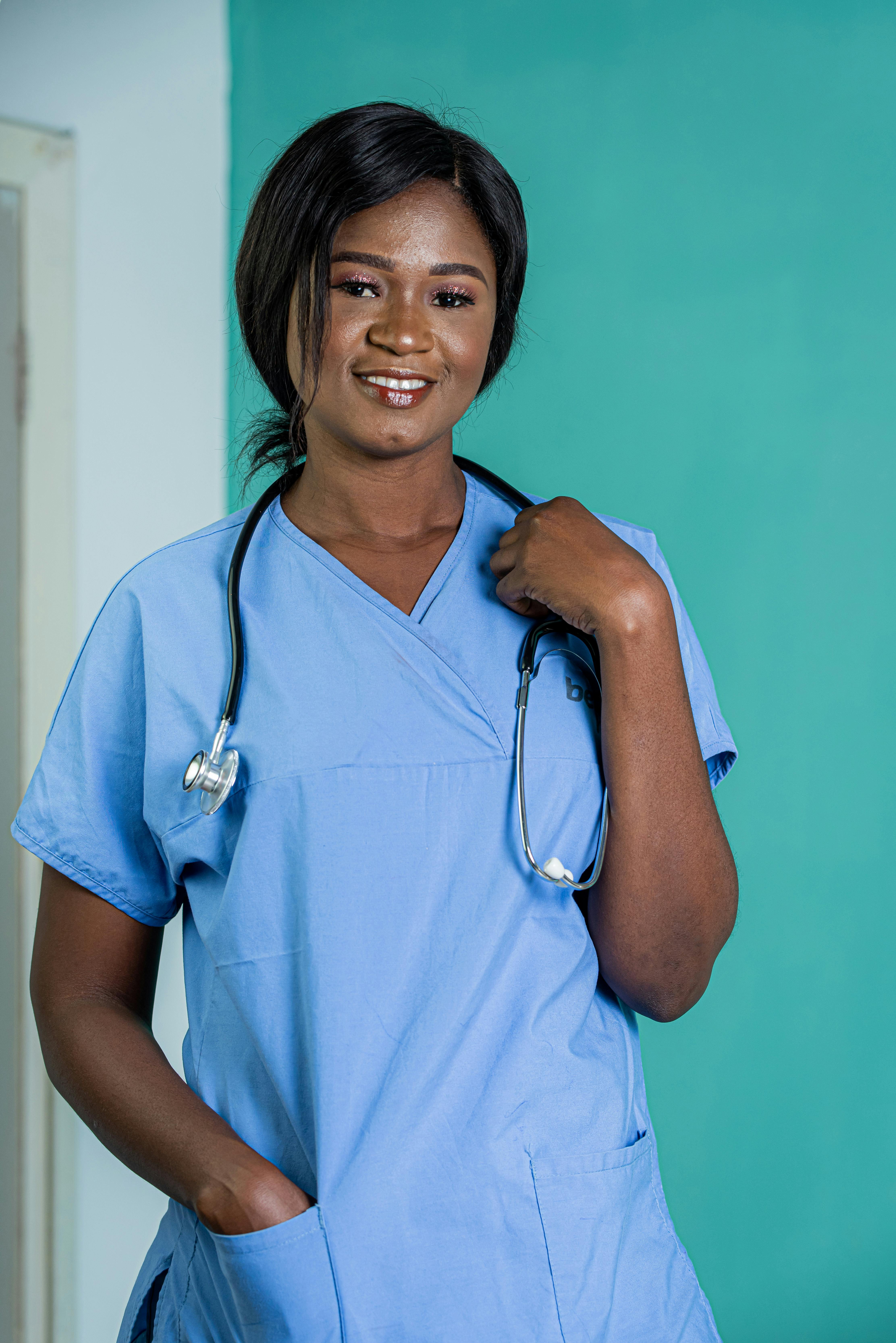
As healthcare systems deal with staff shortages and uneven patient outcomes, nurse educators are taking on one of the most critical roles in modern medicine.
Healthcare’s had its back against the wall for the past few years. Hospitals are understaffed. Nurses are burning out left and right. People living in rural areas still struggle to get basic care. And the topic of health equity is front and center, you just can’t avoid it.
Right in the middle sits the nurse educator. It’s a job that doesn’t always get the spotlight like bedside nursing, but it might have an even bigger long-term effect.
A Master of Science in Nursing (MSN) with a nurse education focus trains experienced nurses to prepare the next wave of healthcare professionals. In practice, that means teaching future nurses how to talk with patients, appreciate cultural differences, care for underserved groups and even open up access to care.
What is a Master of Science in Nursing?
A Master of Science in Nursing is a graduate degree for registered nurses who want to grow their clinical knowledge and move into advanced roles. While a Bachelor of Science in Nursing focuses on the basics of direct patient care, a MSN digs deeper into leadership, policy, research, education and specialized areas.
There are plenty of MSN concentrations; family nurse practitioner, administration, informatics and nurse education, just to name a few. he nurse educator path zeroes in on teaching strategies, developing curriculums, using healthcare technology and evidence-based instruction. Basically, it prepares nurses to teach other nurses.
That teaching happens anywhere; universities, colleges, hospitals, clinics or out in the community. Some nurse educators teach new nursing students while others lead continuing education for nurses already in the field.
What does the job actually look like?
People sometimes picture nurse educators lecturing in a classroom all day, but the reality is a lot more varied. A typical workweek could mean teaching, mentoring students, designing course material, supervising clinical training or researching new approaches. Some educators keep practicing part-time to stay close to patient care, while others focus entirely on academics.
Technology is huge these days, too. Online simulations, virtual patients and remote learning are now normal parts of many nursing programs.That flexibility has made it a lot easier for working nurses to pursue advanced degrees. If you’re juggling shifts, family and your career, options like online learning can make earning a graduate degree possible.
That’s one reason Walsh University and similar schools are seeing more interest in graduate healthcare programs. Walsh University’s online setup covers MSN, DNP, MBA and counseling fields, with a strong focus on leadership, ethics and character. They’re upfront about admissions, accreditation, tuition, and share student testimonials to help applicants. For nurses who want to teach, an online nurse educator masters program makes it much easier to keep working while taking classes.
Why nurse educators matter more than ever
There’s a problem behind the nursing shortage that doesn’t always get attention, nursing schools can’t keep up because they lack instructors. The American Association of Colleges of Nursing reports that thousands of qualified nursing school applicants get turned away each year because there just aren’t enough faculty, or space or funding to go around.
That shortage starts a chain reaction. With fewer instructors, you get fewer nursing students. With fewer new nurses, the strain on hospitals and health systems only gets worse.
Nurse educators help stop that cycle. But their job isn’t only about teaching clinical techniques. They also shape how future nurses see healthcare disparities, interact with patients, and deliver fair care. A nurse educator can determine whether future healthcare workers recognize issues like language barriers, differences in maternal mortality, racial bias in treatment and gaps in access for underserved communities.
The connection between nurse education and health equity
Health equity is one of today’s biggest healthcare priorities. At its core, it’s about making sure everyone has the same chance at quality healthcare, no matter their income, race, zip code, disability or background. But the reality is, healthcare outcomes still change drastically from community to community.
Certain groups have more chronic illnesses, less preventive care and worse maternal health. Rural hospitals are closing fast. Urban areas? Many are overwhelmed and short on primary care. Nurse educators can start fixing these problems at the source.
By teaching culturally competent care and spotlighting inclusive healthcare practices, educators can get nurses ready to work with all kinds of patients. When you look at it that way, nurse educators aren’t just teachers, they’re creating the next generation of healthcare workers.
Impacts beyond the classroom
The nurse educator’s role may not always get the recognition of frontline nurses, but their impact stretches far beyond the classroom.
As hospitals and health systems keep facing staff shortages and unequal outcomes, nurse educators will shape a generation of nurses ready for compassionate, culturally aware and fair care.