Signs of PTSD After a Car Accident and the Measures You Can Take

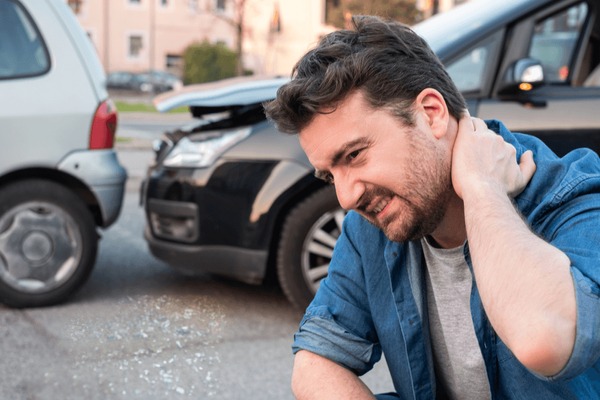
Car accidents can shake you up. Even if you walk away without broken bones, the impact can linger in ways you don’t see right away.
Some people end up suffering from post-traumatic stress disorder after a crash, and it can show up in all sorts of ways, some obvious, some subtle, and some that you don’t even notice at first.
Not everyone gets PTSD after a car accident, but it’s more common than people realize. The severity of the crash, past trauma, or even feeling alone while recovering can make it more likely.
And no, you’re not being weak or overreacting. It’s actually your brain and body processing something terrifying that happened out of nowhere.
Signs You Might Have PTSD After a Car Accident
These symptoms are proof of PTSD:
Flashbacks to the accident
You can’t stop replaying the crash in your head. Maybe you go over every detail, thinking “what if” or “if only.”
Sometimes it’s just memories, but other times it’s full-blown flashbacks, like you’re right back in the car, hearing the sounds, seeing the scene, feeling the fear all over again. Triggers can be smells, sounds, or sometimes nothing at all.
Avoiding the accident altogether
You might avoid talking about it. Thinking about it feels unbearable. Some people won’t drive the same route or even get in a car at all. Avoidance can seem like coping at first, but it often keeps the fear alive longer than it should.
Trouble sleeping
Sleep can become a nightmare. Not just because of aches or injuries, but because your brain is still stuck on the crash.
Nightmares, tossing and turning, staying up to avoid dreams, or oversleeping just to escape the day, these are all signs your mental health might be involved, not just your body.
Trouble concentrating
Ever feel like your brain is foggy, like you can’t focus on work, chores, or even hobbies? That’s your amygdala and prefrontal cortex acting up. PTSD makes your threat-detection system go haywire, while the part that helps you regulate emotions slows down.
Avoiding cars
Similar to avoiding the accident itself. You may go out of your way to skip driving or riding in cars, even if it makes life way harder. It’s a form of avoidance, and it’s exhausting.
Being jumpy or startled easily
PTSD cranks your startle response up. Loud horns, screeching brakes, someone walking up behind you; anything remotely related can make your body overreact.
How to Deal with PTSD Symptoms After a Car Accident
Here are the ways you can help reduce PTSD symptoms:
Talk to a doctor
First off, don’t ignore what you’re feeling. If you notice anxiety, nightmares, flashbacks, or anything else that’s messing with your life, reach out to a doctor. Not tomorrow, not when it gets worse, now.
Learn about PTSD
It helps to understand what’s happening in your body and brain. PTSD can feel like you’re losing control, but learning what’s going on can be a relief. Suddenly, you’re not alone. You start picking up coping tools that actually make you feel safer, like small levers to pull when things get overwhelming.
Join a support group
Support groups can be surprisingly powerful. Talking to people who have gone through the same kind of accident is different from therapy.
You share experiences, trade coping tips, and sometimes just get to vent without feeling judged. Hospitals, nonprofits, or community centers often run groups like this, and a lot of them are free.
Consider therapy
Therapy itself comes in a few flavors, and it’s worth exploring. There’s Cognitive Behavioral Therapy (CBT) for tackling negative thought loops.
Exposure therapy might be useful if memories and situations are haunting you; you face them gradually and safely. EMDR, which is a bit unusual, uses guided eye movements to help your brain process trauma.
Cognitive Processing Therapy helps untangle thoughts and feelings so they’re less overwhelming. Therapy can also pair with medication if you need help sleeping or dealing with anxiety or depression.
Self-care
Moving your body, doing some breathing or relaxation exercises, keeping a regular routine, or jotting down your thoughts can all add up.
Stay away from quick fixes like alcohol or other substances; they might numb the pain for a night, but make the next day harder.
Lean on your support system
Finally, lean on your people. Someone you trust, it could be a friend, family, or even a support group, can actually be the help that you need. You don’t have to carry all of this alone. Saying it out loud, even a little, lightens the weight.
Key Takeaways
- Talk to a doctor as soon as possible.
- Learn about PTSD and how it affects your mind and body.
- Join a support group to share experiences and feel less alone.
- Try therapy (CBT, exposure therapy, EMDR, or cognitive processing therapy).