
How Hand and Wrist Injuries Impact Your Daily Life After an Accident

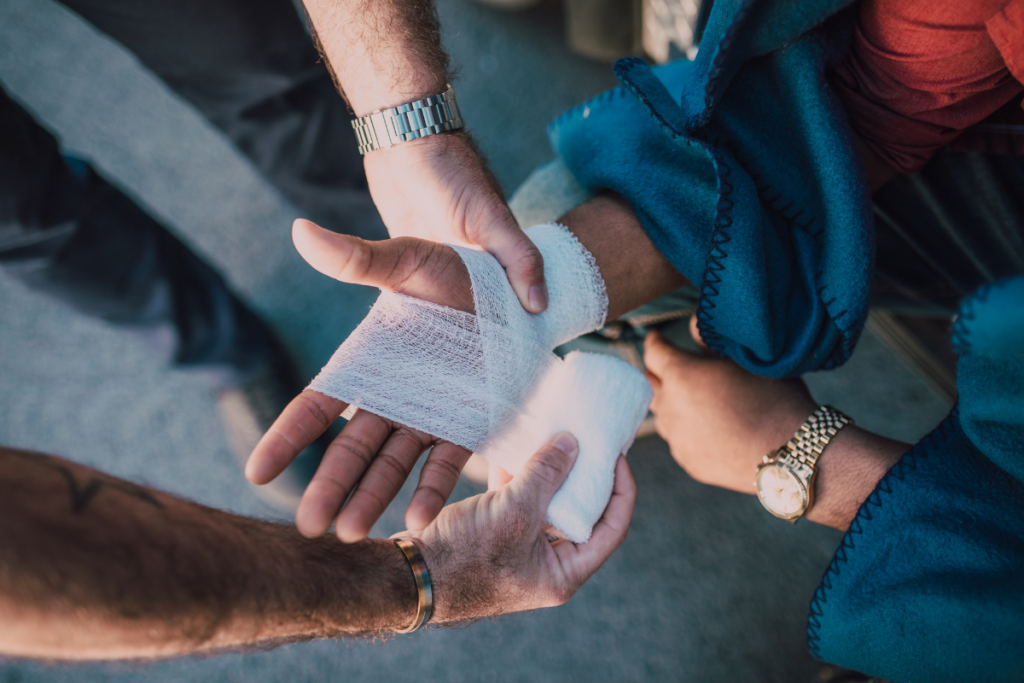
Hand and wrist injuries are some of the most disruptive injuries a person can experience after an accident. These parts of the body are small but incredibly complex, containing delicate bones, nerves, tendons, and ligaments that work together to support nearly every movement you make.
Whether the injury occurred in a car crash, slip and fall, workplace incident, or other traumatic event, the limitations can be immediate and long-lasting. Understanding the causes of hand and wrist pain after an accident is often the first step toward getting the right diagnosis and proper treatment.
How These Injuries Affect Your Everyday Tasks
Your hands and wrists play an essential role in almost every routine activity—from gripping a cup of coffee to sending a text message. When they’re injured, even simple tasks can suddenly feel frustrating or impossible.
1. Difficulty With Basic Motor Skills
Injuries such as fractures, sprains, tendon tears, or nerve damage can severely limit mobility. You may struggle to button your shirt, hold a pen, type on your computer, or use your phone. These tasks require precision and coordination, and when your hands or wrists are damaged, swelling, weakness, and reduced range of motion can interfere with even the smallest daily movements.
2. Chronic Pain and Stiffness
Pain is one of the most persistent reminders of hand and wrist trauma. Many people experience sharp pain when lifting objects, dull aches throughout the day, or stiffness after periods of inactivity. Chronic pain can interfere with sleep, affect your concentration, and reduce overall productivity. If untreated, ongoing inflammation can worsen over time and lead to long-term complications like arthritis or nerve issues.
3. Limitations at Work
Many jobs require constant hand and wrist use—whether typing, lifting, driving, operating machinery, or writing. When you cannot perform these tasks efficiently or safely, it may lead to reduced hours, reassignment, or time away from work. In severe cases, workers may even face permanent disability or the need for career changes. Such conditions can create financial strain on top of physical challenges.
4. Emotional and Mental Health Effects
Physical limitations often come with emotional challenges. The inability to perform everyday tasks can lead to frustration, stress, and decreased independence. Many people feel anxious about recovery timelines or fear that their hand or wrist will never fully heal. These emotional struggles can impact overall well-being and require both patience and support.
5. Barriers to Hobbies and Physical Activity
Hand and wrist injuries can interfere with the activities you enjoy—sports, exercise, cooking, crafting, gaming, or playing musical instruments. Limitations may force you to give up or modify hobbies you love, which can be discouraging. Staying active is important for physical and mental health, but pain and reduced mobility often make participation difficult.
Getting Proper Care and Support
Early medical treatment is crucial. X-rays, MRIs, or nerve tests may be necessary to determine the extent of the injury. Treatment may include physical therapy, braces, medications, or—if severe—surgery.
It’s also important to document your symptoms and medical evaluations, especially if someone else’s negligence caused the accident. Detailed records can help you recover compensation for medical bills, lost wages, and ongoing pain and suffering.
Key Takeaways
- Hand and wrist injuries can affect nearly every aspect of your daily routine, from basic tasks to workplace responsibilities.
- Pain, stiffness, and reduced mobility may persist long after the initial accident without proper treatment.
- These injuries can create emotional challenges and disrupt hobbies or physical activity.
- Early diagnosis, consistent treatment, and thorough documentation help support both recovery and any related injury claim.