
Key Differences Between Birth Injuries and Birth Defects

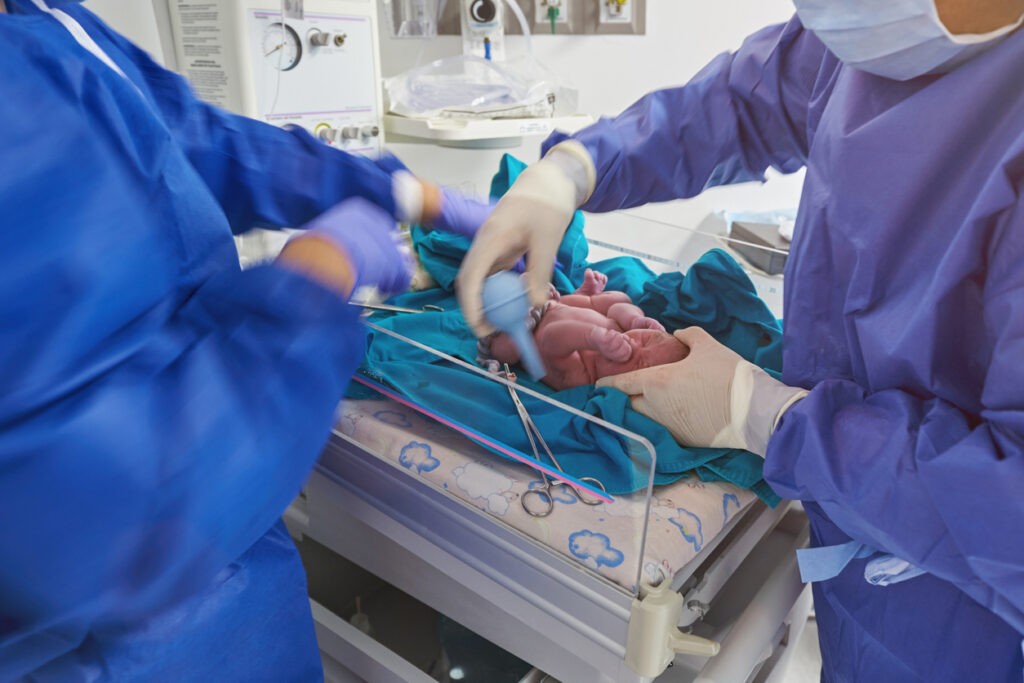
It can be common for parents to not fully understand the difference between birth injuries and birth defects. Both conditions affect newborns but have different causes and impacts. Knowing the difference between birth injuries and birth defects helps parents, caregivers, and medical professionals provide the right care.
In this blog post, we will explain the key differences and important facts about these conditions to increase awareness and understanding.
The Difference Between Birth Injuries and Birth Defects
To explain the difference between birth injuries and birth defects clearly, it is important to understand their origin, timing, and causes. The difference between birth injuries and birth defects lies mainly in when and how they develop.
| Aspect | Birth Injuries | Birth Defects |
| When They Occur | Birth injuries happen during labor or delivery. | Birth defects develop before birth, during pregnancy. |
| Causes | Caused by trauma, pressure, or medical complications in delivery. | Caused by genetic factors, environmental exposures, or maternal health during pregnancy. |
| Origin | Result from physical injury or trauma at birth. | Result from abnormal development of the baby in the womb. |
| Preventability | Often preventable with proper medical care during birth. | Some are preventable with prenatal care; others are not preventable due to genetics. |
| Diagnosis | Usually identified after birth due to injury symptoms. | Often diagnosed before birth through prenatal tests or at birth. |
Common Types of Birth Defects and Their Impact
There are many common types of birth defects that can affect infants. One frequent type is congenital heart defects, which affect how the heart works and can cause serious health problems. Another common birth defect is cleft lip and palate, where the lip or roof of the mouth does not form correctly, making feeding and speaking difficult.
Neural tube defects, like spina bifida, affect the brain and spinal cord development. Down syndrome is a genetic birth defect that causes intellectual disabilities and certain physical traits, which can affect how infants grow and develop, requiring medical care and support.
Common Types of Birth Injuries and Their Consequences
When it comes to birth injuries, several types are common and can affect a newborn’s health. One typical injury is a fracture, especially of the collarbone, often caused by pressure during delivery. Another common injury is nerve damage, such as brachial plexus injury, which affects arm movement.
Babies can also have bruising or swelling on the head from pressure during birth. Some injuries may lead to long-term problems like difficulty moving parts of the body or brain damage if the baby does not get enough oxygen, and many birth injuries can be prevented with proper medical care during delivery.
Can Birth Injuries and Birth Defects Be Prevented?
Let us understand if birth injuries and birth defects can be prevented. Many birth defects can be reduced by taking good care during pregnancy. Pregnant women should get regular medical checkups, eat healthy food, and avoid harmful substances like alcohol and drugs. It is also important to manage health conditions like diabetes.
To prevent birth injuries, proper medical care during delivery is needed. Using the right techniques and equipment by trained medical staff helps protect the baby during birth. While some causes cannot be avoided, following these steps can lower the risk of birth injuries and defects.
The Legal and Medical Implications of Birth Injuries vs. Birth Defects
There can be important legal and medical differences between birth injuries and birth defects. Birth injuries often happen because of mistakes or problems during delivery, which can lead to medical responsibility and possible compensation for families. Since birth defects usually occur before birth, they are less likely to involve medical fault.
Both conditions require medical treatment and support for the child’s health and development. Families may need help with ongoing care, therapy, and special services.
Key Takeaways
- Birth injuries occur during delivery, while birth defects develop during pregnancy.
- Birth injuries are usually caused by trauma or complications at birth; birth defects result from genetics, maternal health, or environmental factors.
- Some birth injuries and birth defects can be reduced with proper medical or prenatal care.
- Common birth defects include heart defects, cleft lip/palate, neural tube issues, and Down syndrome.
- Common birth injuries include fractures, nerve damage, head swelling, and oxygen-related complications.
- Birth injuries may involve medical negligence, while birth defects typically do not.